


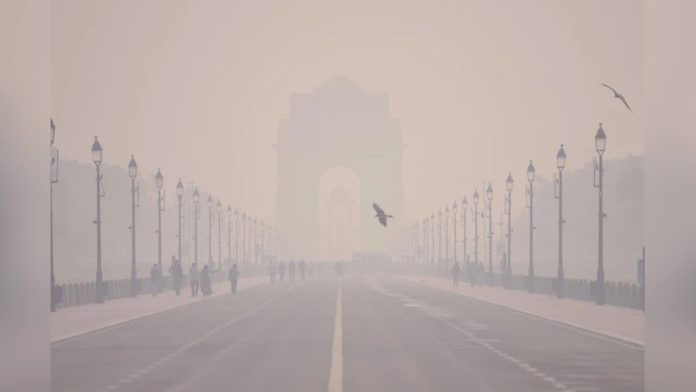

NEW DELHI: On November 1, 2023, Delhi’s air quality deteriorated further, falling into the ‘poor’ category with an overall Air Quality Index (AQI) of 251, according to the latest data from the Central Pollution Control Board (CPCB). This represents a slight increase from the previous day’s AQI of 218.
The situation is alarming as eight monitoring stations across the city reported AQI levels in the ‘very poor’ category, indicating significant air pollution. The CPCB noted that the Wazirpur area recorded the highest AQI at 333, demonstrating the extent of the pollution problem.
The deteriorating air quality poses serious health risks for residents. Poor air quality can lead to respiratory issues, cardiovascular diseases, and other long-term health complications. Environmental experts have urged the public to take precautions, especially those with pre-existing health conditions.
Officials attribute the drop in air quality to a combination of factors, including weather conditions and increased vehicular emissions. As winter approaches, the problem may worsen due to stagnant air causing pollutants to accumulate. This situation calls for urgent action from policymakers to tackle the rising levels of air pollution in the national capital.
Moreover, increased dust from construction activities and crop stubble burning in nearby states also contribute to Delhi’s pollution woes. Environmental advocates are calling for stricter regulations on construction dust and a more comprehensive plan to address crop burning.
In light of the recent data, residents are advised to minimize outdoor activities, especially during peak pollution hours. Masks and air purifiers can help mitigate the harmful effects of the polluted air.
The CPCB has emphasized the need for collaboration between government agencies and the public to combat air pollution effectively. They are implementing measures such as banning construction activities on certain days and promoting the use of public transport to reduce vehicular emissions.
As the festive season approaches, many fear that increased firecracker usage could further exacerbate the city’s air quality. Community leaders and environmentalists are raising awareness about the importance of celebrating in an environmentally-friendly manner to prevent additional harm.
In conclusion, addressing Delhi’s air quality crisis requires immediate and sustained effort from both the authorities and the public. Continuous monitoring, public awareness, and effective policy measures are essential to improve air quality and protect public health.