


Congress is criticizing Indian Prime Minister Narendra Modi following the recent announcement from US President Donald Trump imposing a USD 100,000 annual fee on H-1B visas. This decision affects highly skilled workers, and Congress leaders claim it demonstrates Modi’s weaknesses in foreign policy.
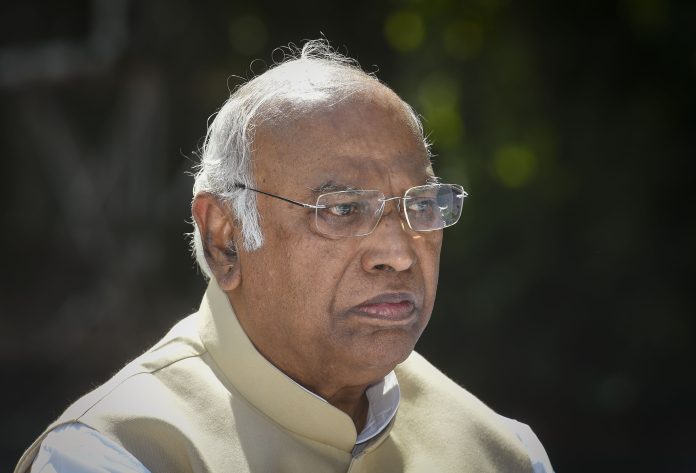
The criticism surfaced when Congress President Mallikarjun Kharge characterized Modi as a “weak PM” for his reliance on “strategic silence” rather than effective diplomacy. This remark echoes a growing sentiment that Modi’s foreign policy is failing to protect India’s national interests.
Trump’s H-1B Visa Order: A Blow to India’s Tech Workforce
In response to Trump’s new order, which harshly targets Indian tech professionals, Rahul Gandhi, the Leader of Opposition in the Lok Sabha, emphasized that the H-1B visa fee increase primarily affects Indians. He stated on social media, “I repeat, India has a weak PM,” effectively reinforcing Congress’s position against Modi’s handling of international relations.
Kharge highlighted the issue by stating that approximately 70% of H-1B visa holders are Indians. The Congress party estimates that other industries may also suffer losses of around Rs 2.17 Lakh crore due to tariff changes and international relations deteriorating with the United States.
Congress’s Concerns on National Interests
Khare underscored the necessity of prioritizing India’s national interests over public events and diplomacy that lack substance. He ridiculed Modi’s reliance on gestures such as bear hugs and crowds chanting his name rather than making impactful policy decisions.
“Foreign policy must prioritize India First, with a focus on strategic relationships built on wisdom, rather than superficial bravado,” Kharge insisted. This sentiment is shared by many Congress members as they emphasize the importance of substantive international dealings.
Implications of the H-1B Visa Increase
The USA’s tough stance on immigration and the recent H-1B visa fee hike primarily aims to prevent the alleged abuse of the system. Trump stated that the program has been misused to displace American workers with lower-paid foreign labor, elevating concerns about the future of skilled labor from India.
Gandhi and other Congress leaders believe this action represents a significant setback for Indian professionals seeking opportunities abroad. Congress Deputy Leader Gaurav Gogoi lamented how Modi’s “strategic silence” has become costly for the country’s workforce.
The Strategic Consequences of Visa Policies
In addition to the H-1B discussions, the Congress party has pointed out other strategic losses. Kharge mentioned that the recent lifting of exemptions for the Chabahar port has directly impacted India’s geopolitical stance in the region.
Gogoi recalls the assertiveness of former PM Manmohan Singh during negotiations, suggesting that Modi’s current approach lacks the same strength and decisiveness. Echoing his concerns, Congress spokesperson Pawan Khera remarked that Gandhi’s warnings from as far back as 2017 were proving accurate, with the situation remaining unchanged.
What’s Next for India?
As the situation develops, Congress’s criticisms and the implications of the H-1B visa policy will likely resonate with the Indian public, particularly those in the tech sector.
With the rise of fees and tightening policies, many anxiously await Modi’s response and any potential reforms he might consider. The future of many aspiring skilled workers hangs in the balance, as they hope for a more favorable diplomatic engagement with the US.
In conclusion, as Congress intensifies its critique of Modi over the H-1B visa changes, the potential ramifications for India’s skilled labor workforce and broader economic interests are becoming increasingly important to monitor. Will Modi address these substantial concerns? Time will tell.