

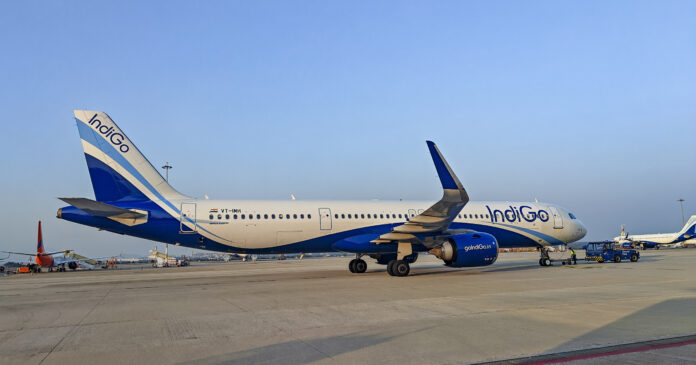

The Delhi High Court on Wednesday denied a public interest litigation (PIL) that sought to compel the Centre and IndiGo airline to provide four times the ticket price as compensation to passengers affected by flight cancellations in November and December. These cancellations followed the implementation of new Flight Duty Time Limitation (FDTL) norms.
A Division Bench, led by Chief Justice Devendra Kumar Upadhyaya and Justice Tushar Rao Gedela, stated that the court already acknowledged the issue through a separate pending PIL. The judges granted the petitioner permission to intervene in that ongoing case.
“We do not see any reason why the concerns raised here cannot be addressed in the earlier petition. The precedent established by the Supreme Court and High Courts regarding PILs allows the court to broaden the scope of public interest petitions,” the Bench remarked.
The presiding judges clarified, “We decline to entertain this petition but allow the petitioner to seek intervention in the pending matter. Therefore, the writ petition is disposed of.”
This petition originated from the Centre for Accountability and Systemic Change (CASC), led by its president, Prof Vikram Singh. He argued that the widespread cancellations by IndiGo led to significant distress among passengers and chaos across the aviation sector. The plea asserted that sudden cancellations seriously inconvenienced thousands of travelers.
Advocate Virag Gupta, representing CASC, stated that airports experienced turmoil, characterized by misdirected baggage, extensive delays, insufficient communication from the airline, and confusion surrounding refunds and rebooking options.
Moreover, the PIL demanded an independent investigation by either a retired judge or the Lokpal to examine potential negligence and lapses by the Directorate General of Civil Aviation (DGCA), which may have exacerbated the crisis.
The backdrop to this legal challenge lies in earlier concerns voiced by the Delhi High Court. On December 10, the court had interrogated the Central Government regarding its delayed response to the crisis stemming from IndiGo’s widespread flight cancellations. It questioned why the situation had worsened, leaving hundreds of thousands of passengers stranded. Other airlines reportedly took advantage of the situation, charging exorbitant fares during this tumultuous period.
Since December 2, IndiGo has faced mounting criticism from both government officials and travelers for cancelling a large number of flights. The airline attributed these disruptions to regulatory amendments concerning pilots’ flight duty and rest periods as per the newly revised FDTL framework.
The High Court’s refusal to entertain this PIL highlights the complexities surrounding airline operations during times of regulatory change and its impact on consumers. The court’s allowance for the petitioners to seek intervention in the existing case indicates a legal pathway for addressing the grievances faced by affected passengers.