



In a heated political exchange, the Bharatiya Janata Party (BJP) has fired back at Congress leader Rahul Gandhi after he claimed over 6,000 voters were removed illegally from the Karnataka Assembly constituency in Aland. The BJP labeled Gandhi’s accusations as an attempt to systematically weaken democracy in India.
The Reactions Following Gandhi’s Allegations
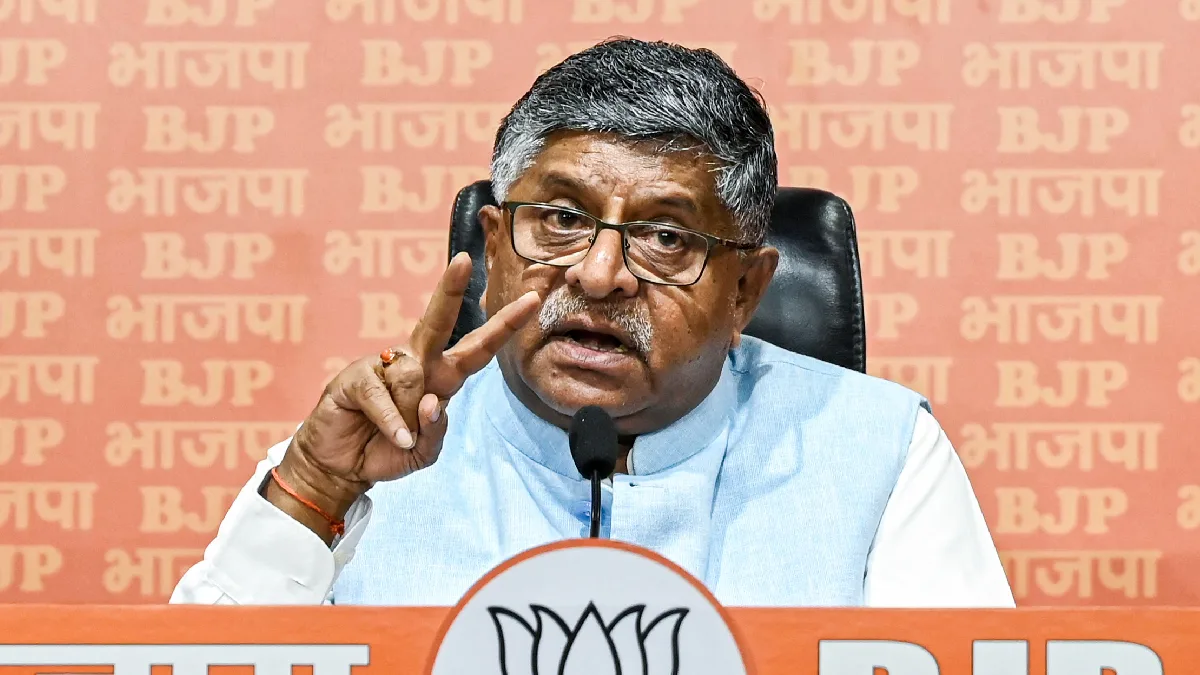
On Friday, former Union minister Ravi Shankar Prasad led the charge against Gandhi’s claims. Prasad pointed out that Gandhi’s arguments stem from decreasing public support for him and his party, the Congress.
“Rahul Gandhi is systematically trying to weaken India’s democracy. Why? Because the public doesn’t vote for him,” said Prasad. He criticized Gandhi for calling previous elections ‘fake’ or ‘fraudulent,’ including those held in 2014 and 2019.
Calls for Accountability
During the confrontation, Prasad highlighted that Gandhi’s allegations come after Congress had celebrated a victory in the recent 2023 Karnataka elections. The BJP MP argued that resources were largely at Congress’s disposal yet the party continues to blame others for their challenges.
“If the Congress party had all the machinery in their favor and still faced issues, why create a stir?” questioned Prasad. He also pointed out that Gyanesh Kumar, the Chief Election Commissioner (CEC) that Gandhi targeted, was not in office during the last Karnataka Assembly Elections.
Allegations Scrutinized
The crux of BJP’s argument rests on the assertion that Gandhi’s public statements lack evidence and constitute a misrepresentation of facts. Prasad alleged that Gandhi often distorts reality and creates false narratives without basis, adding, “He has lowered the dignity of the position of Leader of the Opposition.”
Additional insights into the political landscape reveal that voter confidence is a significant factor influencing electoral outcomes. Gandhi’s reliance on claims of ‘vote chori’ puts him at odds with emerging perspectives on electoral integrity.
Public Sentiment and Political Strategy
Political analysts suggest that the credibility of accusations like those made by Gandhi about vote tampering can impact both public perception and electoral strategy. Statistics indicate that voter trust in political leaders is crucial, and any disruption may further alienate potential supporters.
In his press conference, Gandhi photographed Gyanesh Kumar and drew attention to the supposed irregularities in voter rolls, which many viewed as a blanket indictment of the entire electoral process.
The Road Ahead for Indian Democracy
The ongoing tension between BJP and Congress is a reflection of a broader narrative of competition for voter trust and legitimacy in Indian democracy. As the political drama unfolds, it becomes vital for leaders from all parties to engage in discourse grounded in evidence.
“Speaking lies, making accusations without evidence, and presenting a wrong picture has become Rahul Gandhi’s habit,” Prasad concluded, emphasizing the need for politicians to prioritize democracy over personal gain.
Final Thoughts
As the debate continues, what remains clear is the importance of responsibility in political dialogues. The integrity of the election process should be upheld by all parties, as it impacts the very fabric of democratic governance in India.